
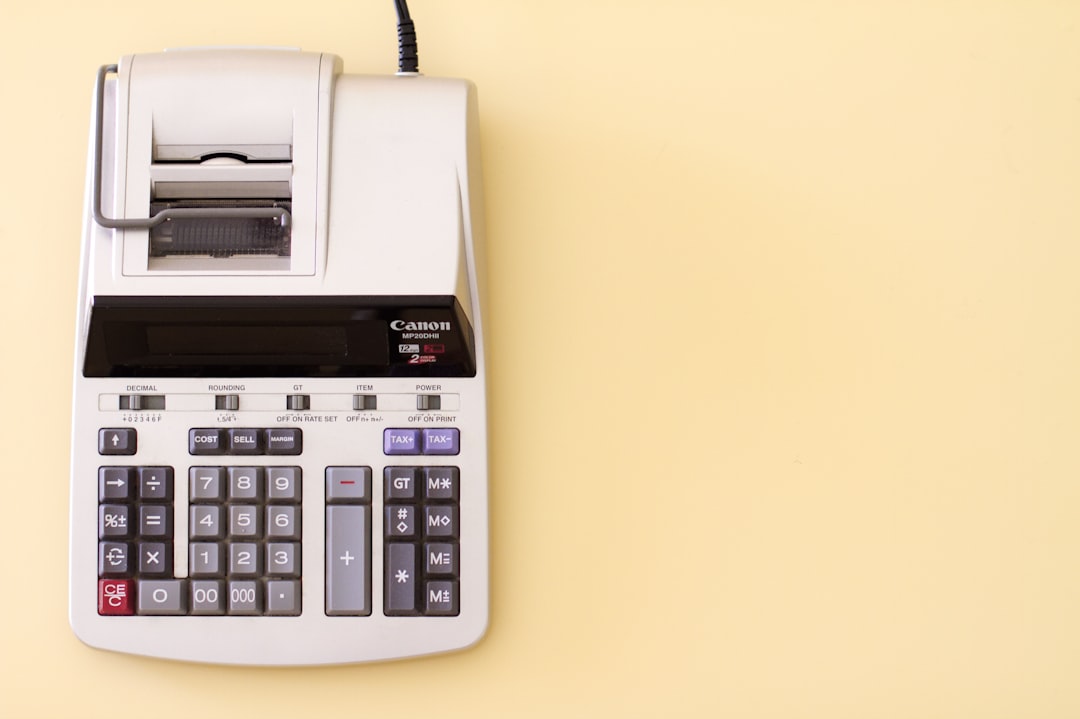
Creating a comprehensive budget is one of the most powerful steps you can take toward financial stability and success. In 2025, with rising costs and economic uncertainty, having a solid budget plan is more important than ever. This guide will walk you through the entire process of building a budget that actually works for your unique situation.
Understanding Your Income and Expenses
The foundation of any successful budget starts with knowing exactly how much money comes in and goes out each month. Many people underestimate their expenses or overestimate their disposable income, leading to budget failures before they even begin.
Start by gathering all your financial statements from the past three months. This includes bank statements, credit card bills, pay stubs, and receipts. Look at every transaction to get a complete picture of your spending patterns. You might be surprised by what you discover.
Calculate your total monthly income after taxes. If your income varies, use an average of the past six months, or better yet, use your lowest monthly income to create a conservative budget. For those with irregular income, building a buffer is essential.
Creating Realistic Budget Categories
Once you understand your cash flow, organize your expenses into meaningful categories. Here are the essential categories every budget should include:
Fixed Expenses: These are costs that remain the same each month, such as rent or mortgage, insurance premiums, loan payments, and subscriptions. Fixed expenses are typically non-negotiable in the short term but can often be reduced with strategic planning.
Variable Expenses: These fluctuate month to month and include groceries, utilities, gas, entertainment, and dining out. Variable expenses offer the most opportunity for cost reduction and require careful monitoring.
Discretionary Spending: This category covers non-essential purchases like hobbies, shopping, and luxuries. While not necessary for survival, discretionary spending is important for quality of life and should be included realistically in your budget.
Savings and Investments: Treat savings as a non-negotiable expense. Whether you're building an emergency fund, saving for retirement, or investing for future goals, allocate a specific amount each month before considering discretionary spending.
Implementing the 50/30/20 Rule
The 50/30/20 rule is a simple yet effective budgeting framework that divides your after-tax income into three categories: 50% for needs, 30% for wants, and 20% for savings and debt repayment.
The 50% allocated to needs covers essential expenses like housing, food, healthcare, transportation, and minimum debt payments. If your essential expenses exceed 50%, you may need to make adjustments such as finding more affordable housing or reducing transportation costs.
The 30% for wants gives you freedom to enjoy life without guilt. This includes dining out, entertainment, hobbies, and non-essential shopping. The key is staying within this limit and not letting wants creep into your needs category.
The final 20% goes toward financial security through savings, investments, and extra debt payments beyond minimums. This portion builds your emergency fund, retirement accounts, and helps you become debt-free faster.
Tracking and Adjusting Your Budget
Creating a budget is just the beginning; the real work lies in tracking your spending and making adjustments as needed. Review your budget weekly during the first month to ensure you're staying on track and to identify any categories that need adjustment.
Use the envelope method for categories where you tend to overspend. Withdraw cash for discretionary categories and physically divide it into envelopes. Once an envelope is empty, you're done spending in that category for the month.
Schedule a monthly budget review session where you compare actual spending against your budget. Look for patterns and problem areas. Did you consistently overspend on groceries? Are your utility bills higher than expected? Use these insights to refine your budget for the following month.
Tools and Apps for Budget Management
Technology has made budget tracking easier than ever. Spreadsheet programs like Excel or Google Sheets offer complete customization and control. Create columns for each expense category, input your actual spending, and use formulas to calculate totals and variances automatically.
Budgeting apps like YNAB (You Need A Budget), Mint, or PocketGuard connect directly to your bank accounts and automatically categorize transactions. These apps provide real-time updates on your spending and send alerts when you're approaching category limits.
Whatever tool you choose, consistency is key. Make budget tracking a daily habit, even if just for five minutes. Regular monitoring prevents small overspending from becoming major budget disasters.
Advanced Budgeting Strategies
Once you've mastered basic budgeting, consider implementing zero-based budgeting, where every dollar is assigned a specific purpose. This method ensures nothing falls through the cracks and maximizes the efficiency of your income.
Create sinking funds for irregular expenses like car maintenance, annual insurance premiums, or holiday shopping. Set aside a small amount each month so these predictable but infrequent expenses don't derail your budget when they occur.
Build buffer categories into your budget for unexpected expenses. Even with careful planning, surprises happen. A miscellaneous buffer of 5-10% of your budget can absorb these shocks without requiring you to raid your emergency fund.
Conclusion
Budget planning isn't about restriction; it's about intentional spending that aligns with your values and goals. A well-crafted budget provides freedom by eliminating financial stress and creating a clear path toward your financial objectives.
Start today by tracking your spending for the next month. Then use the strategies outlined in this guide to create a realistic budget that works for your unique situation. Remember that budgeting is a skill that improves with practice, so be patient with yourself as you develop this life-changing habit.