
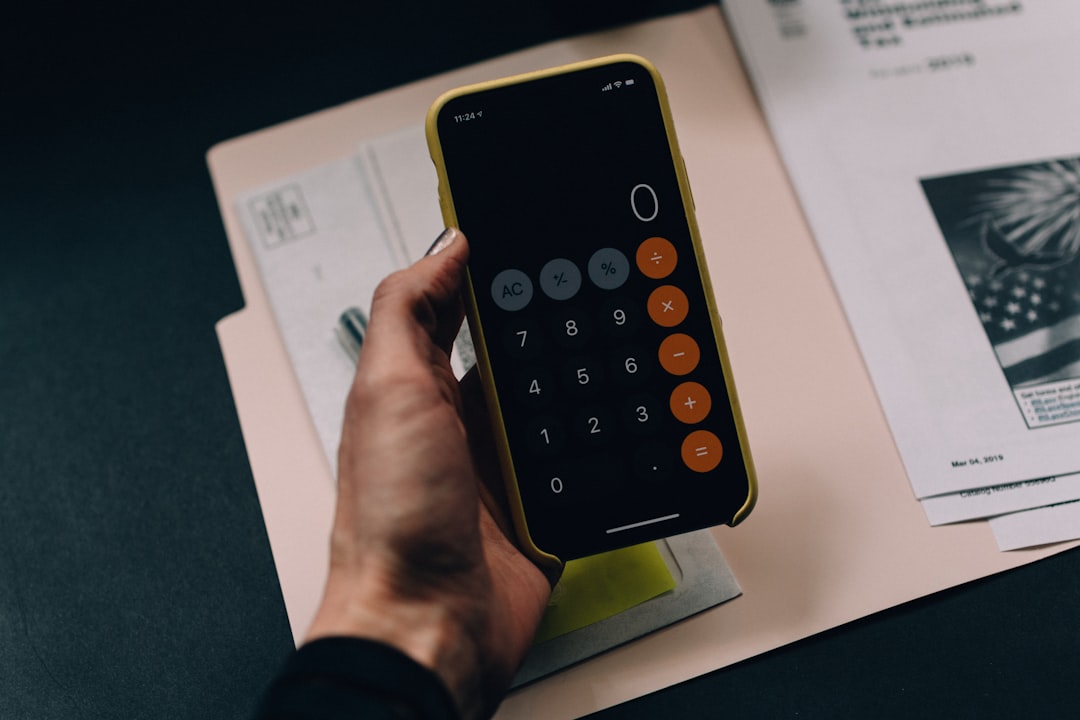
Tracking your expenses is the cornerstone of financial awareness and control. Without knowing where your money goes, it's impossible to make informed decisions about spending, saving, or investing. Yet many people avoid expense tracking because they find it tedious or overwhelming. This guide will show you practical methods that fit different lifestyles and preferences.
Manual vs. Automated Tracking Systems
The debate between manual and automated expense tracking often comes down to personal preference and discipline. Manual tracking involves recording every transaction by hand, either in a notebook or spreadsheet. While this method requires more effort, it creates heightened awareness of spending habits.
When you manually record each purchase, you engage more deeply with your spending decisions. This mindfulness often leads to better choices at the point of purchase. Many people find that the act of writing down expenses makes them think twice before making impulse purchases.
Automated tracking uses apps and software that connect to your bank accounts and credit cards, automatically categorizing transactions. This method saves time and ensures nothing is missed. Popular apps like Mint, YNAB, and Personal Capital offer comprehensive tracking with minimal manual input.
The best approach often combines both methods. Use automated tools for convenience and completeness, but regularly review your transactions manually to maintain awareness and catch any miscategorizations. This hybrid approach provides both efficiency and the psychological benefits of active engagement with your finances.
Categorizing Your Spending Effectively
Proper categorization transforms raw transaction data into actionable insights. Start with broad categories that reflect your major spending areas: housing, transportation, food, healthcare, entertainment, and personal care. Then create subcategories within each to identify specific spending patterns.
For example, under "Food," distinguish between groceries, restaurants, coffee shops, and takeout. This granular approach reveals surprising patterns. You might discover you spend more on coffee shops than you realized, or that weekday lunches out are draining your budget.
Be consistent with your categories. If you categorize a grocery store purchase as "Food" one month and "Shopping" the next, your tracking data becomes unreliable. Create a categorization guide and refer to it regularly to maintain consistency across months and years.
Don't create too many categories, as this can make tracking overwhelming and difficult to maintain. Aim for 10-15 main categories with 2-3 subcategories each. This structure provides enough detail without becoming unmanageable or confusing.
Identifying Spending Triggers and Patterns
After tracking expenses for a few months, patterns emerge that reveal your spending triggers. These are emotional states, situations, or times when you're most likely to overspend. Common triggers include stress, boredom, social pressure, and celebration.
Notice when you tend to make impulse purchases. Do you shop online late at night? Do you overspend when out with certain friends? Does stress at work lead to retail therapy on the way home? Identifying these patterns is the first step to changing them and regaining control.
Look for timing patterns as well. Many people overspend during specific times of the month, week, or even day. Weekend spending might be significantly higher than weekdays. The days right after payday might see increased discretionary spending. Recognizing these patterns helps you plan and create guardrails.
Create a spending journal alongside your expense tracker. When you make a significant purchase, note your emotional state and circumstances. Over time, this journal reveals the psychological aspects of your spending habits that pure numbers cannot capture, providing deeper insights into your relationship with money.
Setting Expense Reduction Goals
Once you understand where your money goes, set specific goals for reduction. Vague goals like "spend less" rarely succeed. Instead, use your tracking data to identify the top three categories where you overspend and set concrete reduction targets for each.
For example, if your tracking reveals you spend 400 CHF monthly on dining out, but your budget allows only 250 CHF, your goal becomes reducing restaurant spending by 150 CHF per month. Break this down further: eat out twice instead of four times per week, or choose less expensive restaurants when you do dine out.
Make your goals specific, measurable, achievable, relevant, and time-bound (SMART). "Reduce grocery spending by 15% within two months by meal planning and using shopping lists" is far more effective than "save money on food." The specificity creates accountability and makes success measurable.
Track your progress toward these goals weekly. Small victories build momentum and motivation. If you successfully reduce spending in one category, celebrate that achievement before tackling the next challenge. This positive reinforcement makes the process more sustainable and enjoyable.
Monthly Expense Review Strategies
Schedule a monthly expense review session at the same time each month, ideally within the first few days after the month ends. Treat this appointment with yourself as seriously as any other commitment. This regular review transforms tracking data into financial wisdom and actionable insights.
During your review, categorize all transactions if you haven't already. Calculate totals for each category and compare them to your budget. Identify any categories where you exceeded your planned spending and investigate why. Were there one-time expenses, or did you consistently overspend throughout the month?
Look for trends across multiple months. Is your spending in certain categories increasing over time? Are seasonal patterns affecting your budget? Understanding these long-term trends helps you plan better and adjust your budget proactively rather than reactively responding to problems.
Use your monthly review to update your budget for the coming month. If you consistently underspend in one category, reduce that budget allocation and redirect the money to savings or categories where you've been over budget. Your budget should evolve based on real spending patterns, not arbitrary numbers.
Conclusion
Effective expense tracking is not about perfection; it's about awareness and continuous improvement. Start with whatever method feels most manageable, whether that's a simple notebook or a sophisticated app. The key is consistency—tracking every expense, every day, until it becomes an automatic habit that requires no willpower.
As your tracking habits strengthen, you'll gain confidence in your financial decision-making. You'll know exactly how much you can afford to spend in any category without consulting your budget because the numbers become part of your financial consciousness. This awareness is the foundation of lasting financial control and long-term success.